Long hair can be beautiful, but it also needs a little extra patience because the ends have been through more daily wear. I like to think of long hair care as protecting the journey from root to tip, rather than chasing a quick fix.
From washing habits to gentle styling, these are the routines I recommend for keeping long hair healthy and easier to manage. Dermatologists also highlight the importance of choosing products for your hair type, handling hair gently and limiting damage from heat.
Understanding the Needs of Long Hair
Long hair has older ends, so the main goal is reducing unnecessary stress. I always start with the basics: understand whether your hair is fine, thick, curly or coily before choosing a routine.
Fine hair may need lighter products, while textured or thicker hair often benefits from richer moisture. A routine that works for one person may leave another person's hair flat or heavy.
Quick summary
- Protect your ends.
- Choose products for your hair type.
Choosing the Right Shampoo for Long Hair
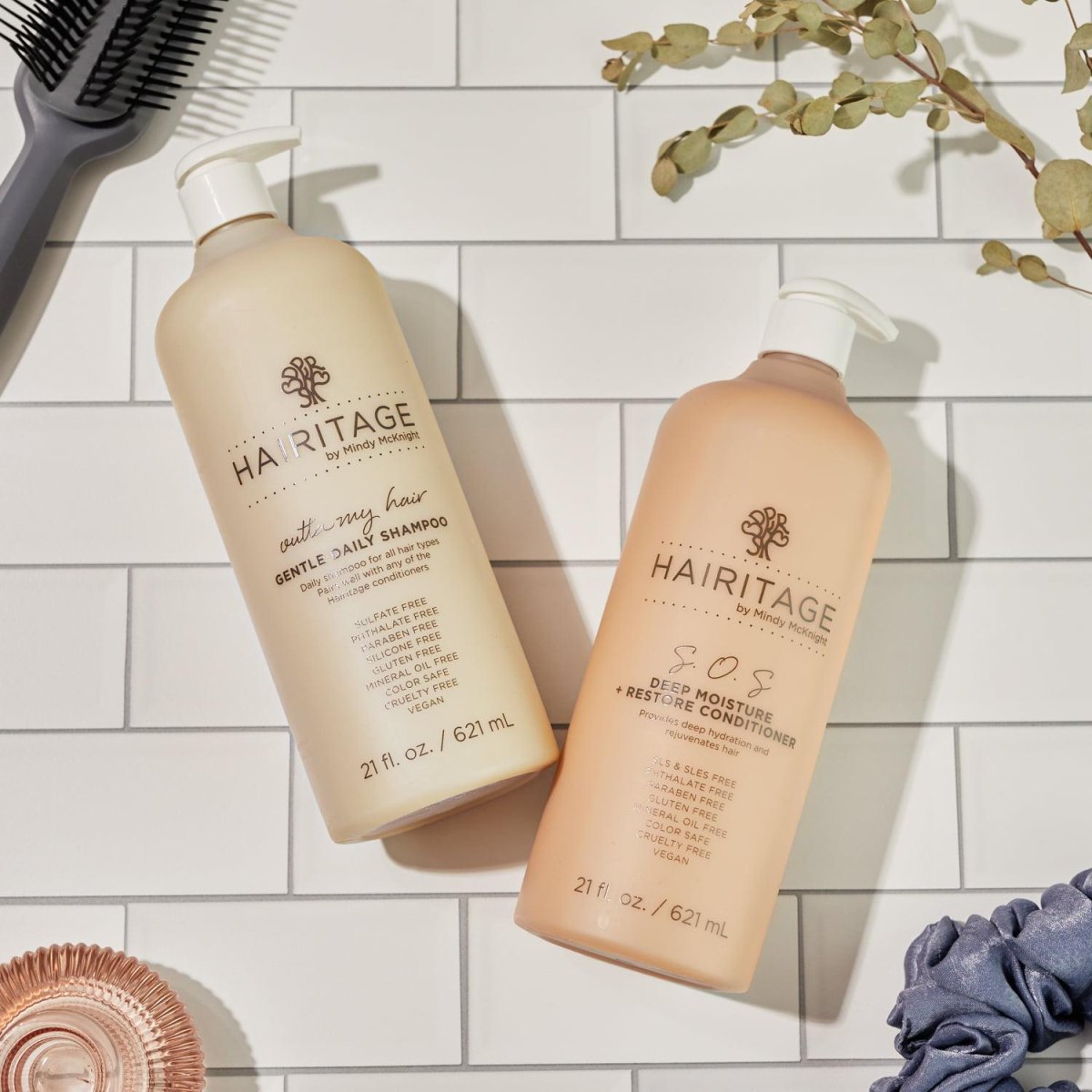
I prefer to treat shampoo as a scalp cleanser rather than a scrub for the whole length. Applying shampoo mainly to the scalp helps remove oil and buildup while avoiding unnecessary dryness on the ends. Gentle cleansing matters for long hair.
Look for formulas that match your needs, whether that means balancing oil, adding moisture or caring for colour-treated hair.
My tip
Massage with your fingertips rather than roughly rubbing your lengths.
Proper Conditioning Techniques for Lengthy Hair
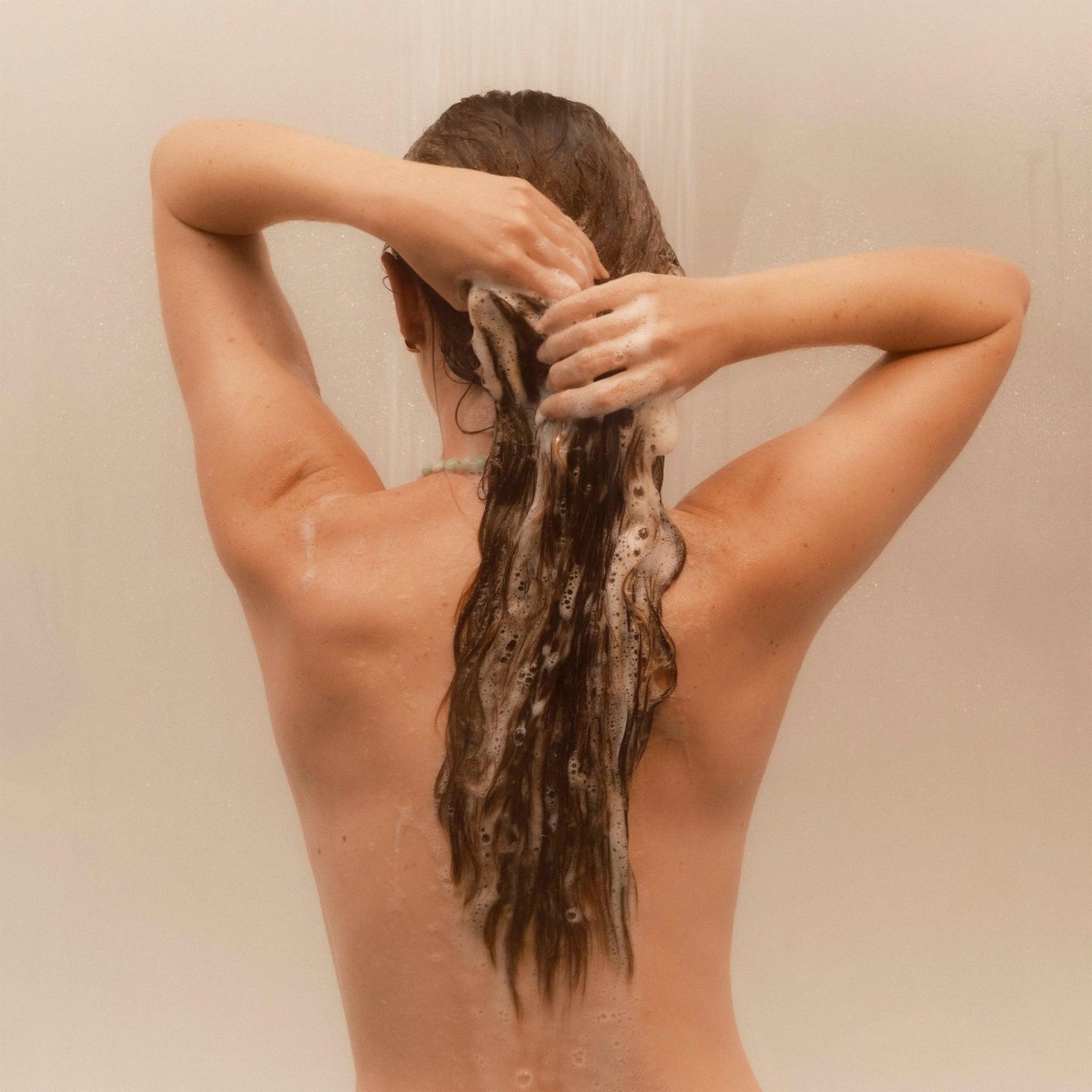
Conditioner is where long hair often gets the help it needs. I focus it through the mid-lengths and ends because these areas usually need the most support. Conditioning reduces tangles and makes hair easier to handle.
Fine hair may need a lighter conditioner, while dry curls or coily textures may prefer richer formulas.
Detangling Long Hair Without Breakage
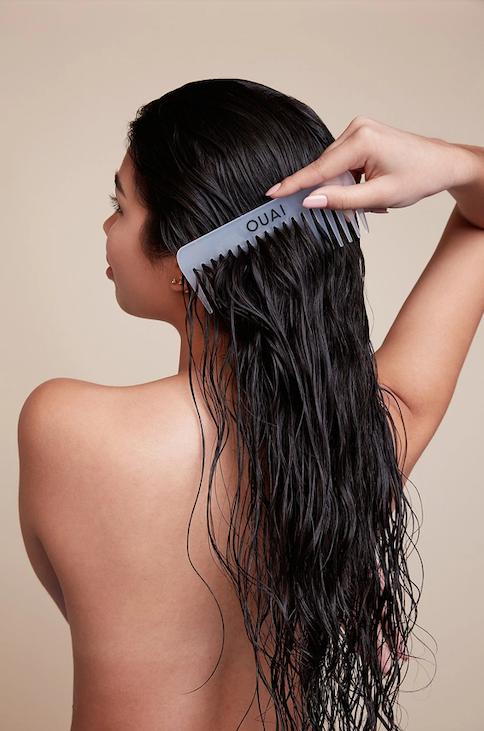
Detangling should never feel like a battle. I recommend starting at the ends and slowly working upwards with a suitable comb or brush. Work gently through knots because wet hair can be more fragile.
- Start. Begin at the ends.
- Move. Work upwards towards the roots.
- Stop. Never yank through stubborn knots.
Protecting Long Hair from Heat Damage
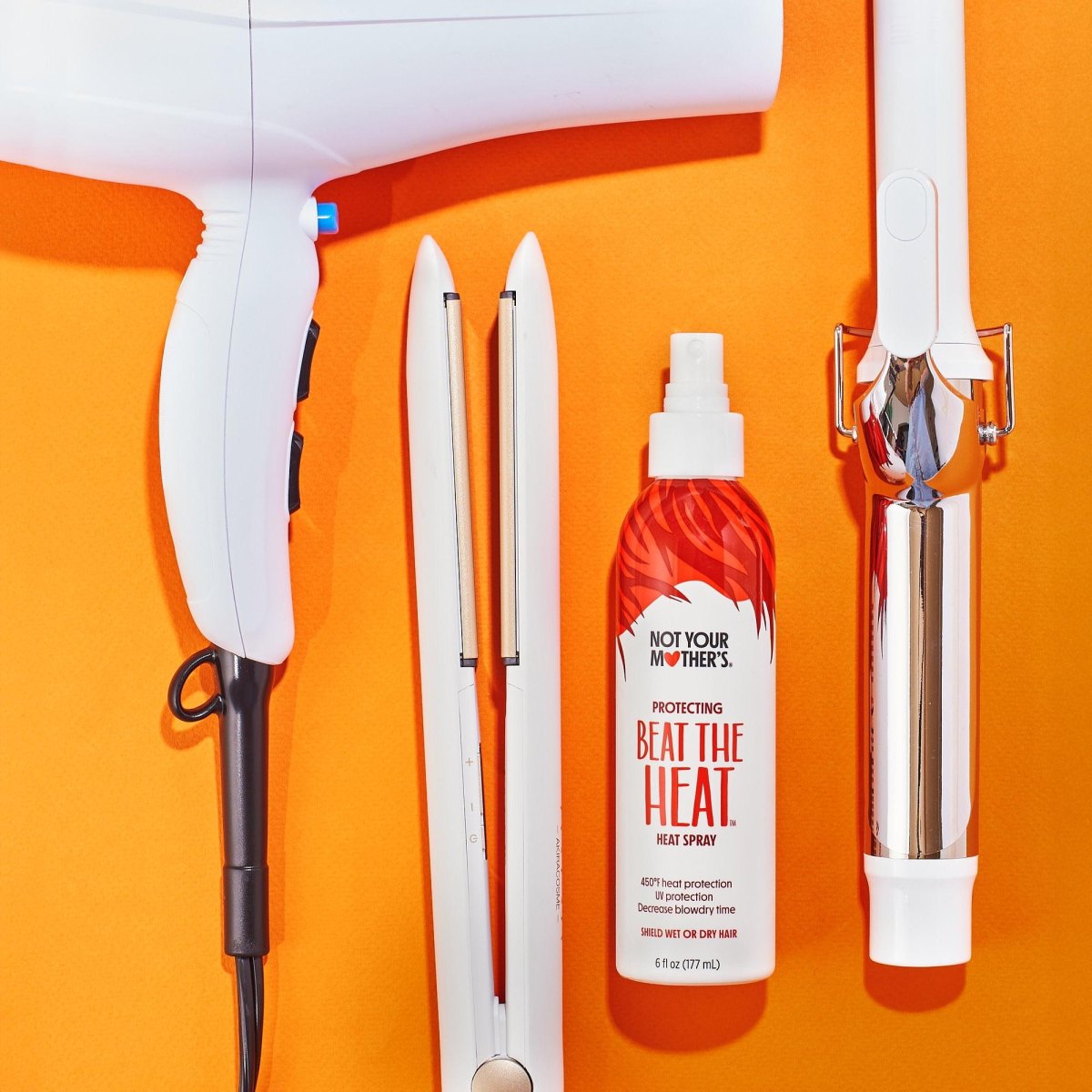
Heat tools can create lovely styles, but I would never skip protection. Use a heat protectant, sensible temperatures and avoid repeated high heat sessions. Heat protection is essential when styling long lengths.
A good blow-dry or curl does not need to leave your hair feeling crispy.
Avoid this mistake
Do not use straighteners or curling tools on damp hair.
The Importance of Regular Hair Trims
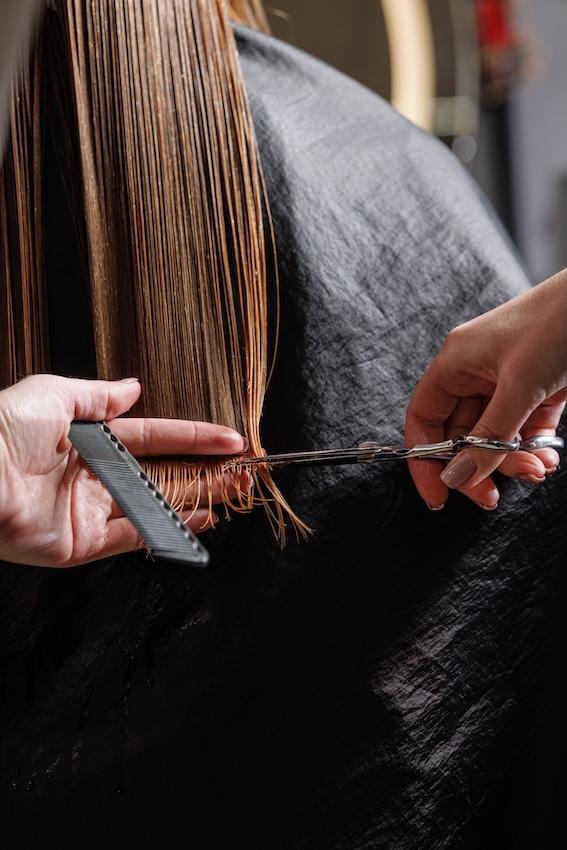
Growing hair does not mean avoiding the hairdresser's chair forever. Regular trims help keep the shape tidy and remove worn ends. Healthy-looking ends need maintenance, especially on very long hair.
A trim cannot make hair grow faster, but removing split ends can stop damage travelling further along the strand.
Deep Conditioning Treatments for Strong Hair
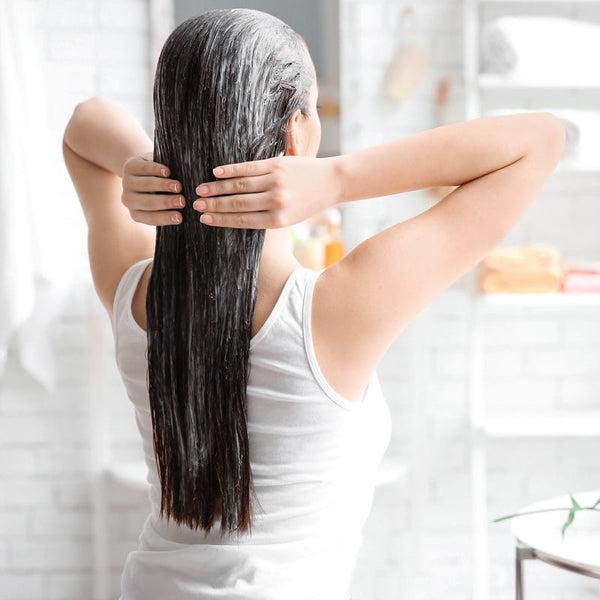
Deep treatments can be useful when long hair feels dry, rough or difficult to style. I like them as a supporting step rather than a miracle cure. Moisture treatments improve manageability and softness.
Choose a treatment based on your hair texture and avoid weighing down fine hair.
Preventing Split Ends in Long Hair
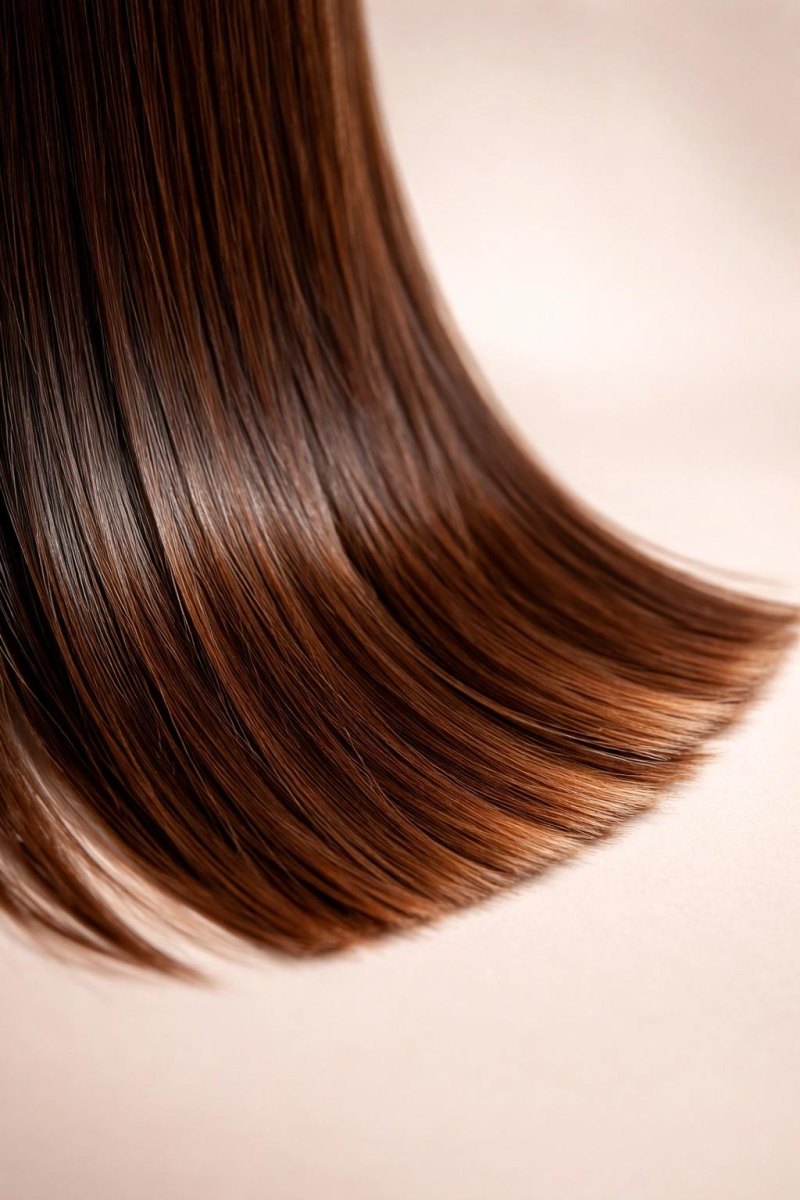
Split ends are one of the most common frustrations with long hair. The best approach is prevention through gentle handling, conditioning and sensible styling. Prevention protects your lengths before damage becomes obvious.
- Use gentle brushes.
- Reduce excessive heat.
- Book trims when needed.
Best Brushing Habits for Long Hair
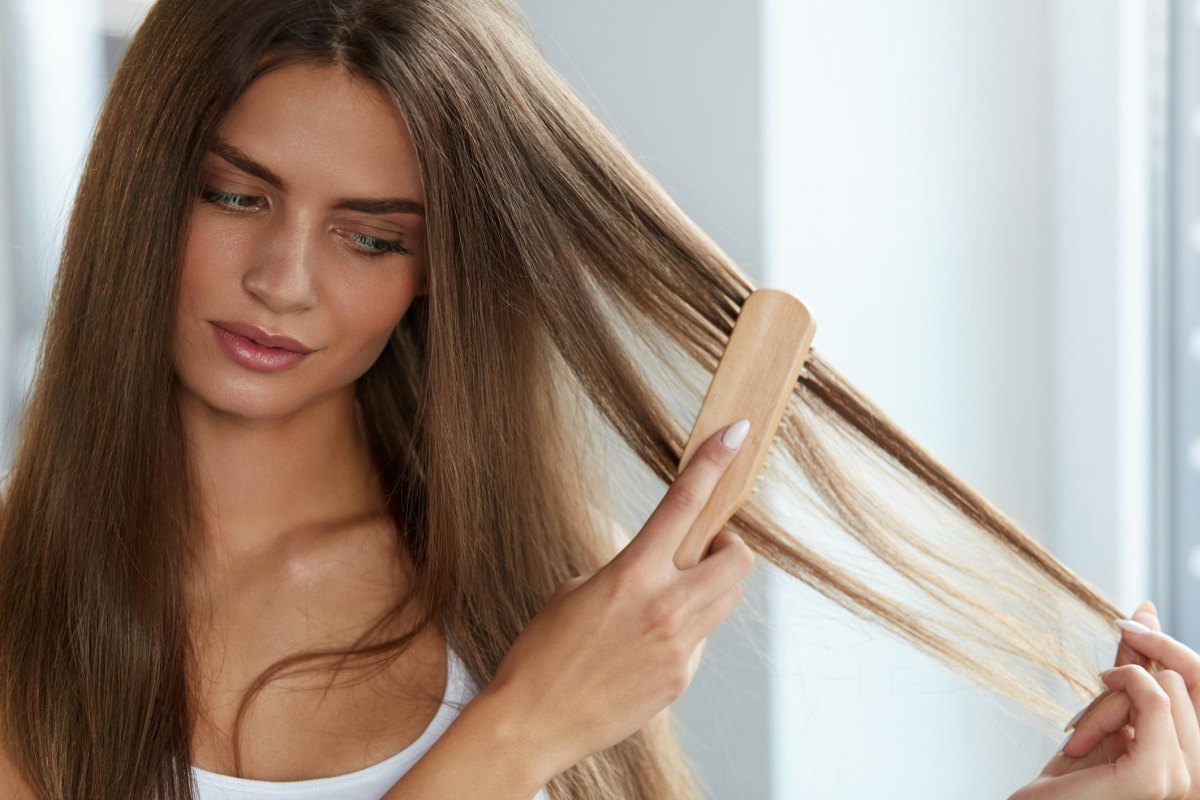
Brushing should smooth hair, not punish it. I avoid aggressive strokes and focus on careful movements. Less pulling means less stress on your strands.
For curly and textured hair, brushing techniques may differ, so always work with your natural pattern.
Nighttime Care Routines for Long Hair
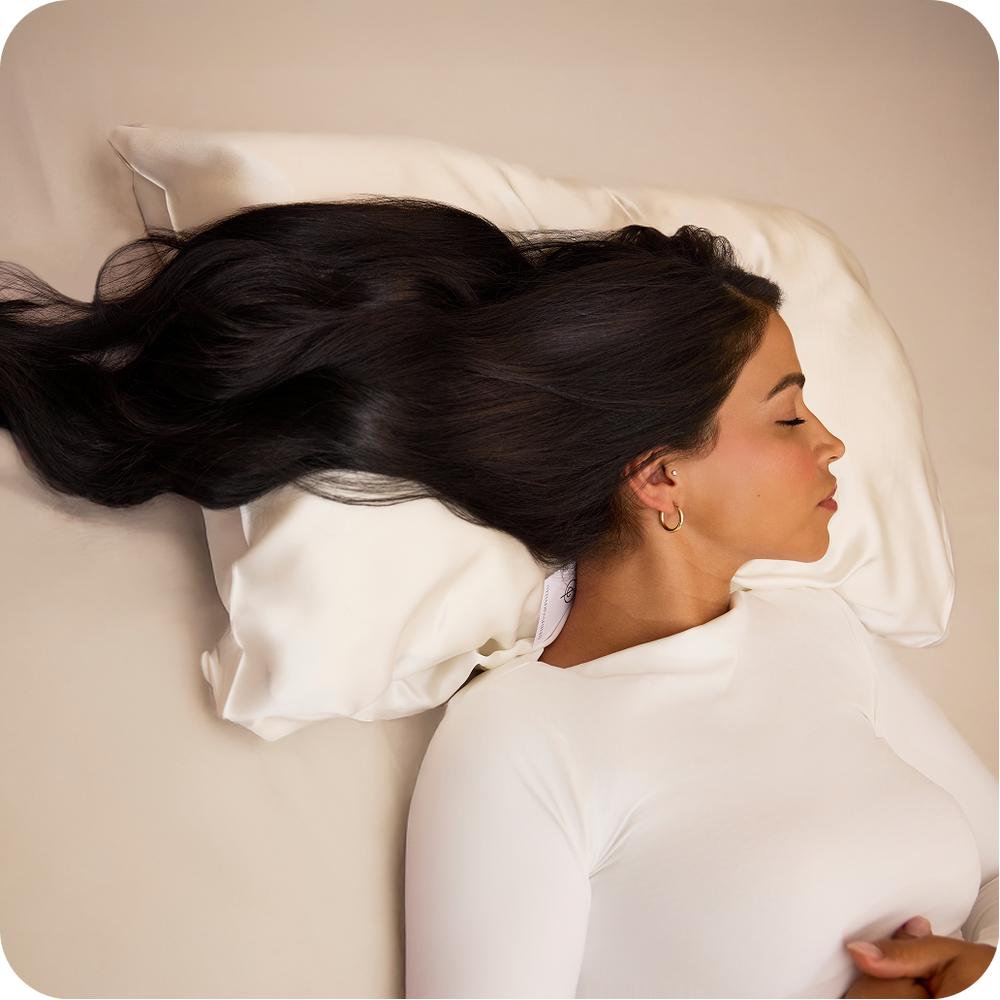
Nights are an easy place to protect long hair. A loose plait or gentle style can reduce tangling while you sleep. Night-time protection helps keep mornings simpler.
Choose a comfortable routine that suits your texture rather than forcing a complicated method.
Hairstyles That Reduce Stress on Long Hair
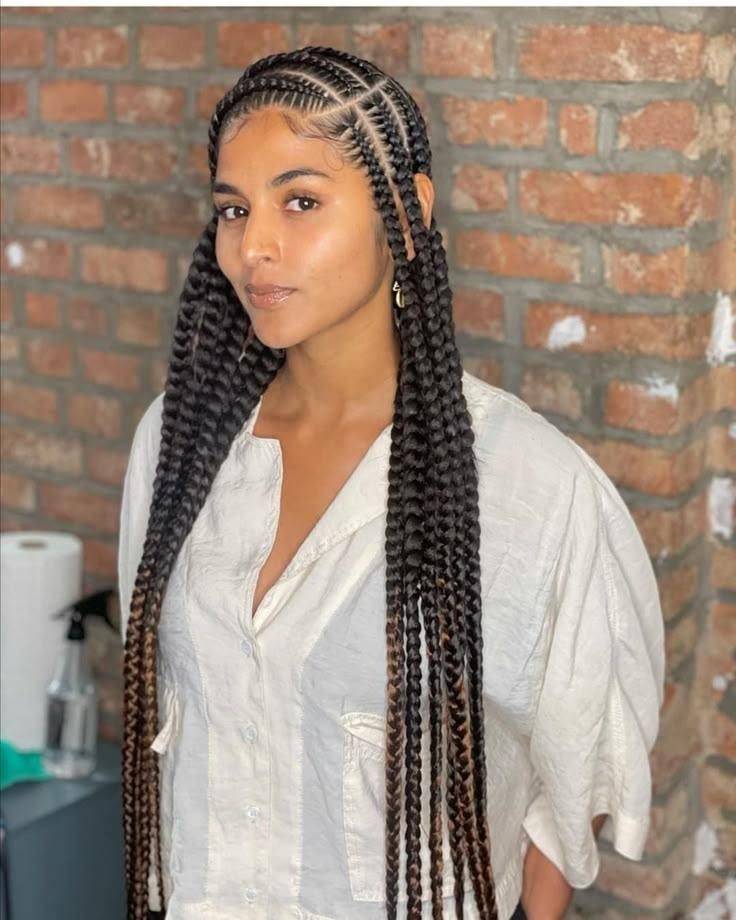
Long hair gives endless styling options, but very tight styles can put tension on the hair. I prefer relaxed buns, loose plaits and styles that feel comfortable. Low-tension hairstyles are kinder for everyday wear.
Save very structured occasion styles for moments when you have time to style carefully.
Maintaining Moisture and Shine in Long Hair
Shiny hair usually comes from consistent care rather than one magic product. A balanced routine with suitable washing and conditioning helps maintain soft manageable lengths.
Grey hair, curls and thicker textures may need extra attention because their moisture needs can differ.
Nutrition and Lifestyle Tips for Healthy Hair Growth
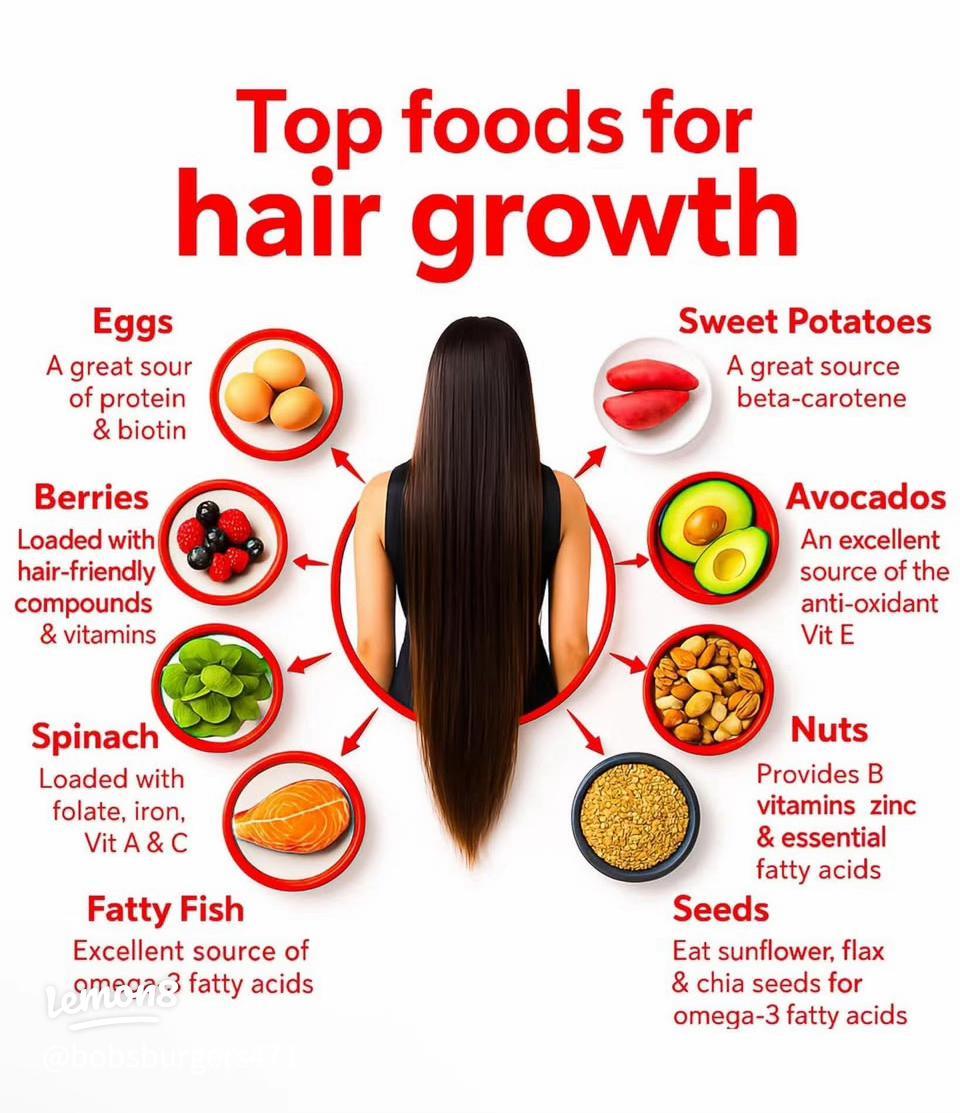
Hair health starts from everyday habits too. A balanced diet with enough protein and essential nutrients supports normal hair growth. Good nutrition supports strong hair, although there is no instant growth shortcut.
- Protein: Include suitable protein sources in meals.
- Balance: Aim for varied everyday nutrition.
Seasonal Care Tips for Long Hair
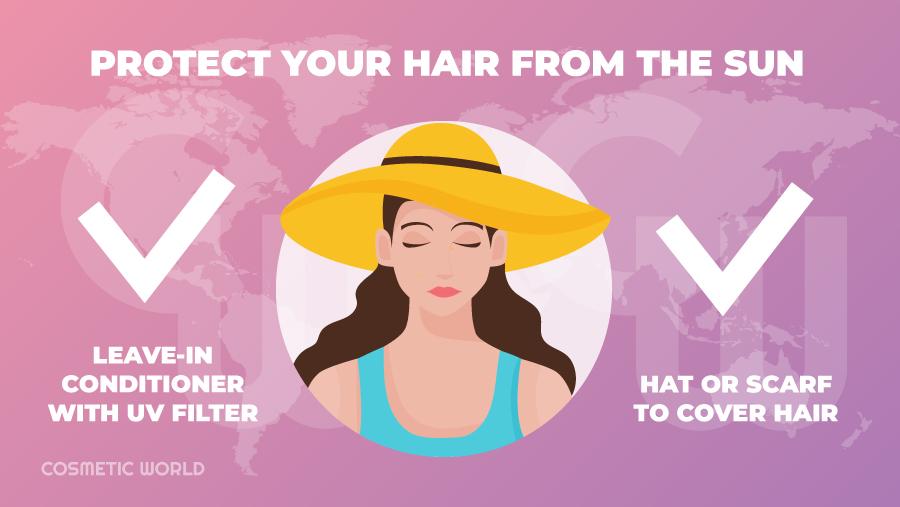
British weather can be a challenge, from damp drizzle to dry indoor heating. I adjust my routine with extra protection when my hair feels rough or difficult. Seasonal changes affect hair for many people.
If you notice sudden or unusual hair changes, it is worth speaking to a GP, pharmacist or dermatologist.
Building a Simple Long Hair Care Routine
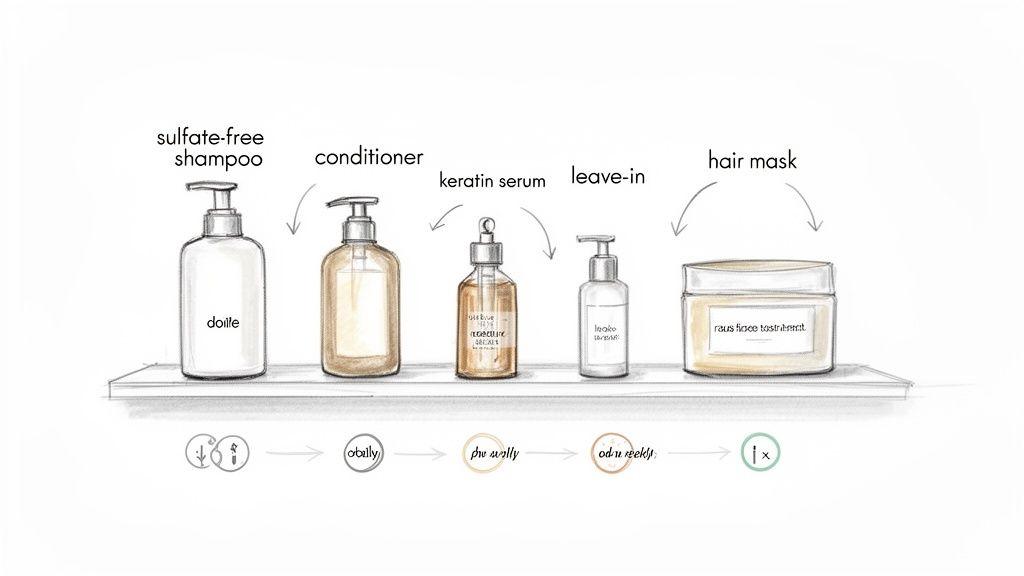
The best routine is the one you can actually keep doing. I would rather see a few reliable habits than a shelf full of products gathering dust. Consistency beats complexity when caring for long hair.
| Routine step | Purpose |
|---|---|
| Gentle wash | Clean scalp |
| Condition ends | Reduce dryness |
| Protect before styling | Limit damage |