Braiding can look wonderfully complicated, but the first few styles are much kinder than they appear. I always tell readers to start with the basics and let their fingers learn the rhythm rather than chasing perfection straight away.
This guide brings together beginner-friendly plaits that work for everyday life, from busy school mornings to a relaxed weekend look. A little patience, a good mirror and a few spare kirby grips can make all the difference.
Three-Strand Braid: The Perfect First Braid to Learn
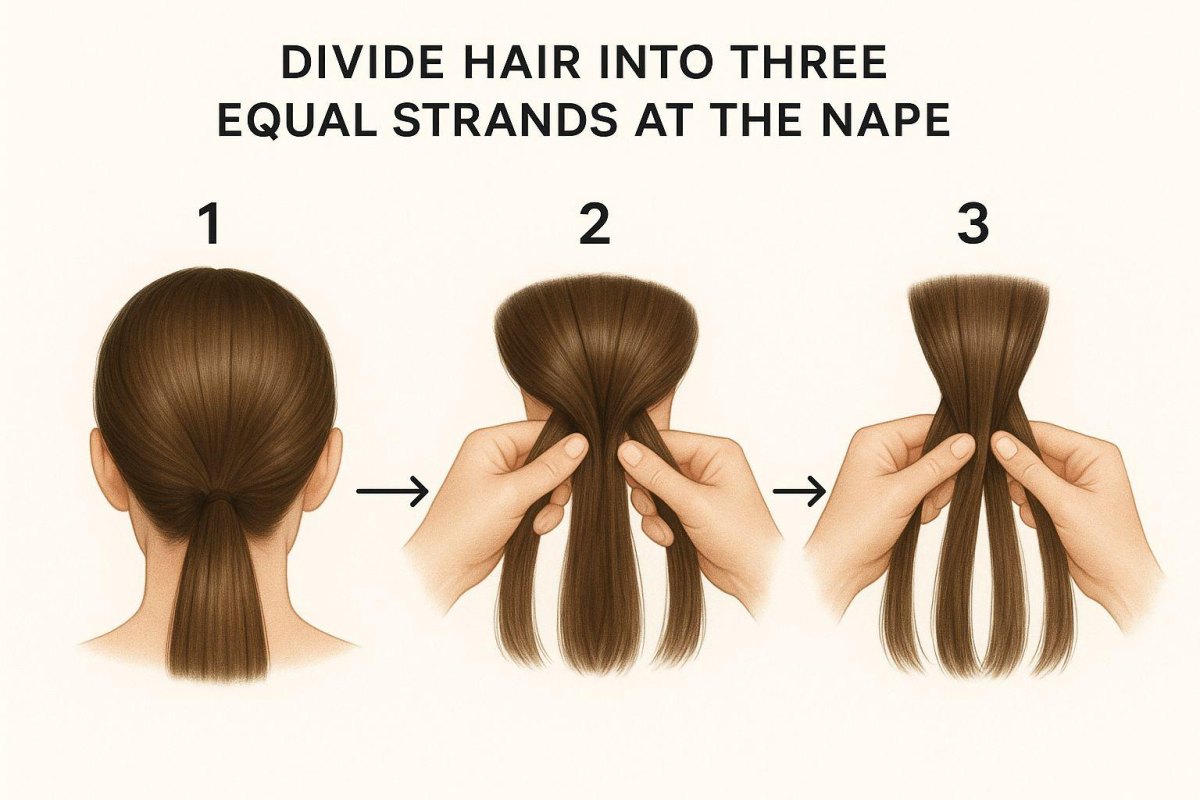
Dead Easy is the label I would give this one. The three-strand braid is where most beginners should start because the movement is simple: cross one outside section over the middle, then repeat from the other side.
- Divide. Split the hair into three even sections and keep your grip relaxed.
- Cross. Move the outer sections over the middle one at a time until you reach the ends.
- Secure. Finish with a soft elastic and gently loosen the braid if you want a fuller finish.
This style suits almost every hair type, although very slippery fine hair may need a touch of texture spray for extra grip.
Classic French Braid for Beginners
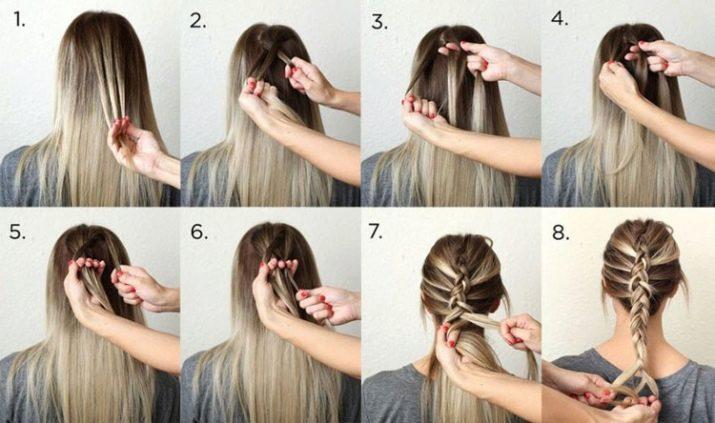
The French braid is a brilliant next step because it teaches the skill of adding hair as you go. It creates a neat, close-to-the-head plait that works beautifully for everyday wear and special occasions.
My beginner tip
Keep your added sections small and even. Rushing this part is the easiest way to end up with a lumpy braid.
Bit of Practice is the realistic label here. Your hands need time to get used to working behind your head, but the technique becomes much easier with repetition.
Simple Dutch Braid with an Underhand Technique
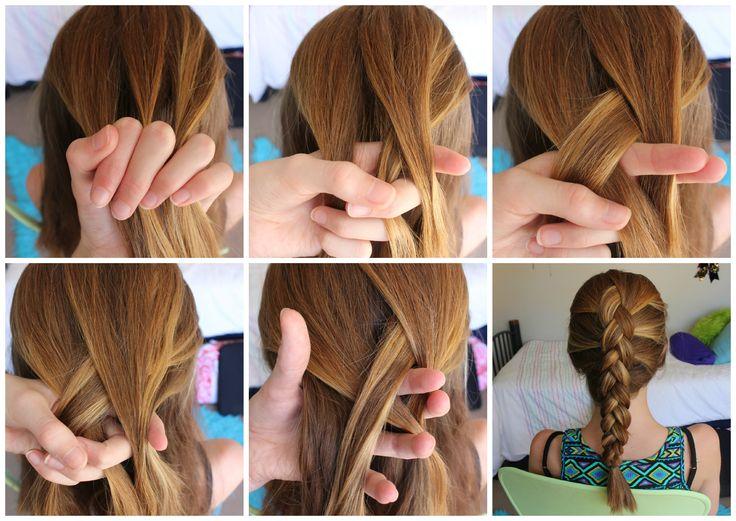
A Dutch braid uses a similar method to a French braid, but the sections cross under the middle instead of over. This gives the braid a raised, more textured appearance.
- Best for: sporty styles, festival looks and keeping hair away from the face.
- Hair types: works well on thick, curly and coily textures, while finer hair may benefit from gentle volume at the roots.
My advice is to master the French braid movement first if you are completely new, then switch the crossing direction for this eye-catching plait.
Easy Fishtail Braid for a Textured Look
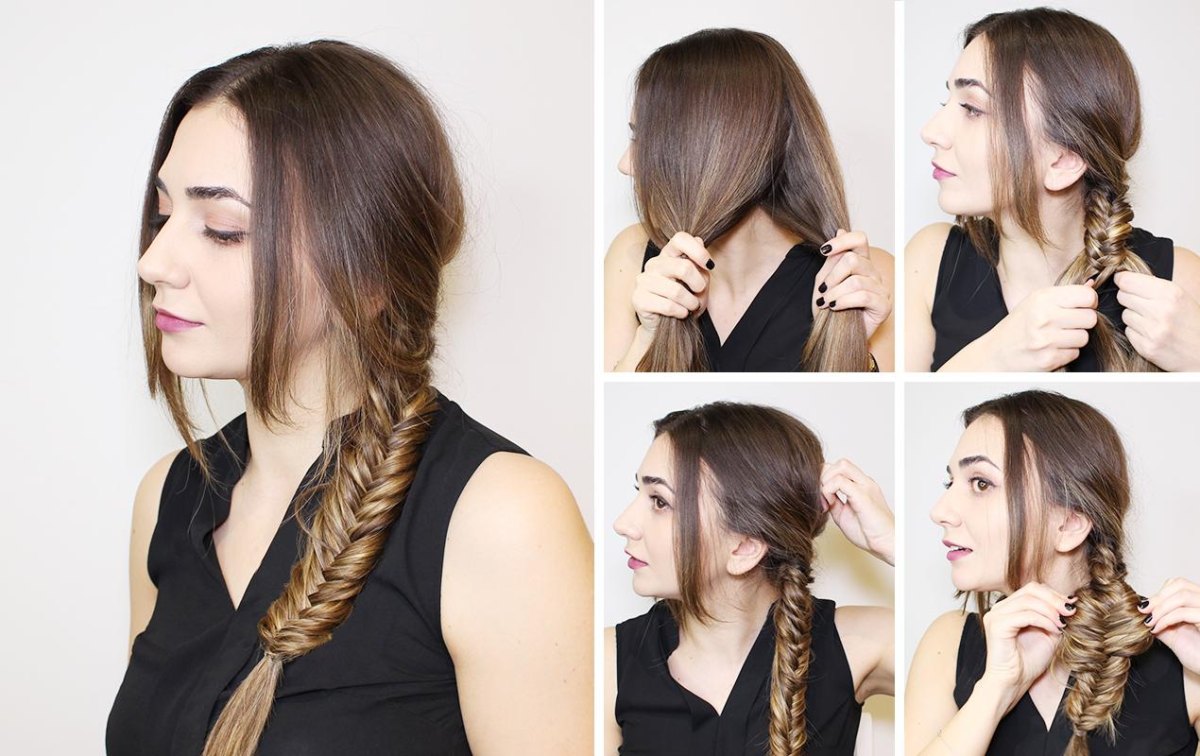
The fishtail braid looks intricate, but it is simply a matter of moving small pieces from side to side. I love this style for a softer finish because it feels relaxed rather than overly polished.
Why it works
- Creates a pretty textured effect.
- Looks lovely slightly loosened.
Watch out for
- Small sections can take longer at first.
- Very loose versions may need extra pins.
Steady Hands suits this braid. Take your time and focus on neat sections rather than speed.
Half-Up Braided Hairstyle for Everyday Wear
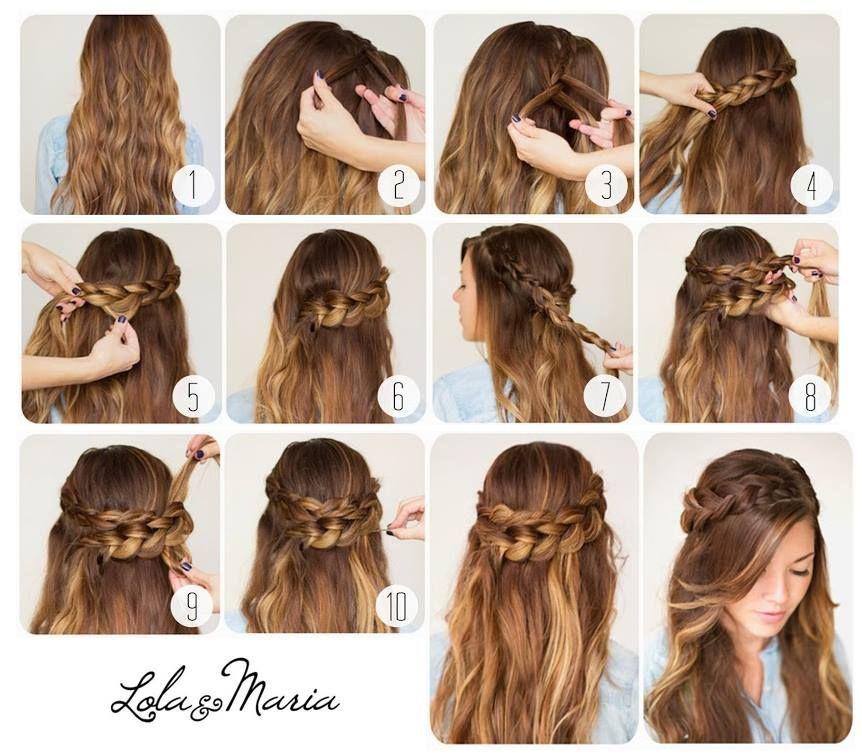
A half-up braided style is one of my favourites for days when you want your hair out of your face but still want movement. It is especially handy for everyday styling when a full updo feels too much.
- Brush through knots before starting.
- Leave some softness around the face if you prefer a relaxed finish.
- Use kirby grips to secure loose ends.
This works across many hair lengths, although shorter layers may need a few extra grips to keep everything tidy.
Side Braid for a Quick Casual Style
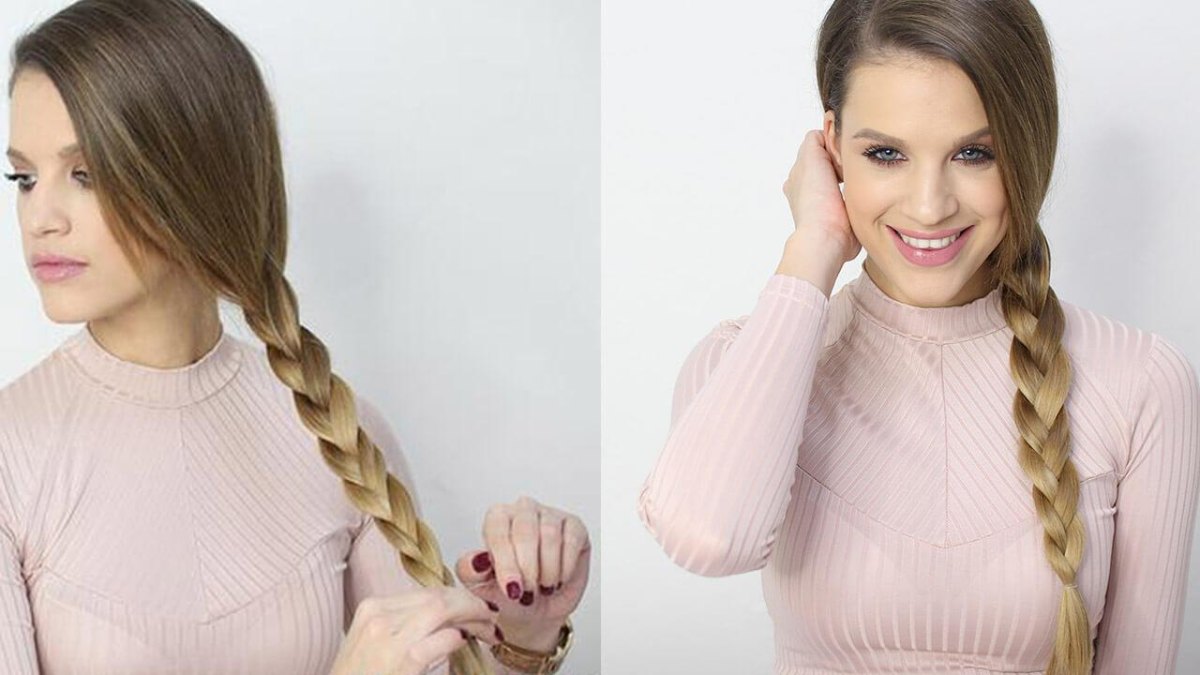
When mornings are rushed, the side braid is a lovely little lifesaver. It uses the same basic three-strand technique but feels more relaxed and wearable.
5 minutes
A realistic guide once the basic braid feels familiar
I would choose this for busy mornings, casual lunches or days when British drizzle has other plans for your carefully styled hair.
Crown Braid for a Beginner-Friendly Updo
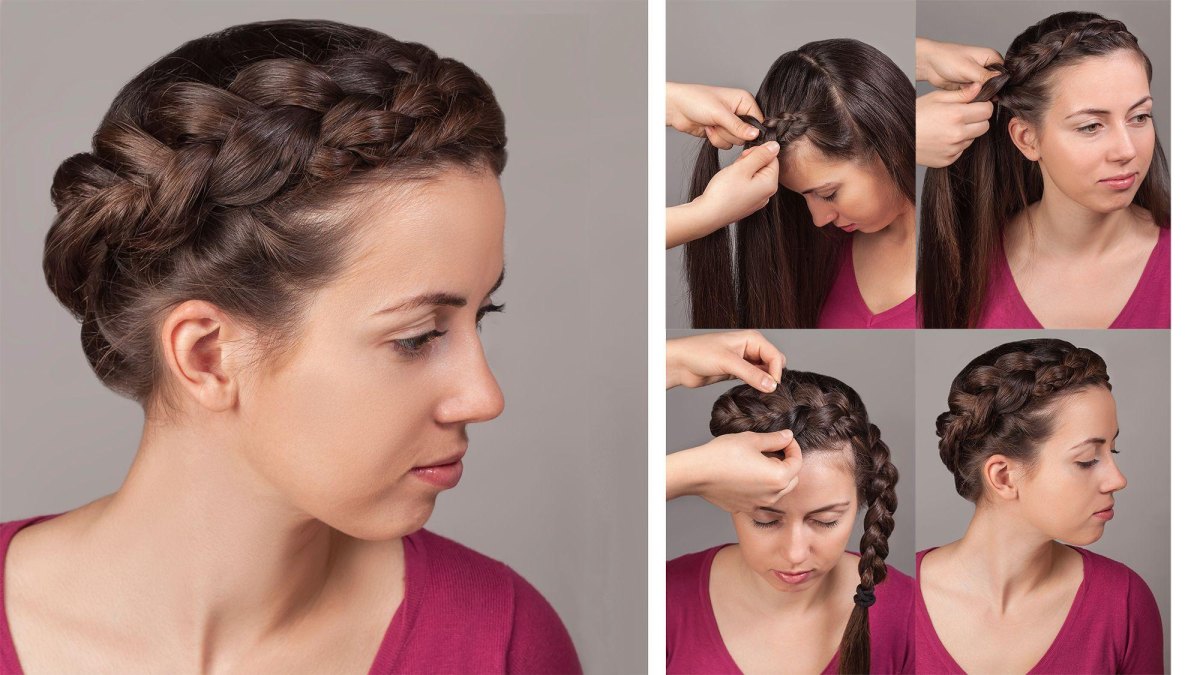
A crown braid looks special enough for a wedding guest hairstyle or party season, but beginners can create a softer version without making it too complicated.
A little warning
A tight crown braid can put pressure on the scalp, so keep the tension comfortable and never pull hard.
Bit of Practice is the honest label. The hardest part is keeping the shape even around the head.
Rope Braid for a Fast and Simple Hairstyle
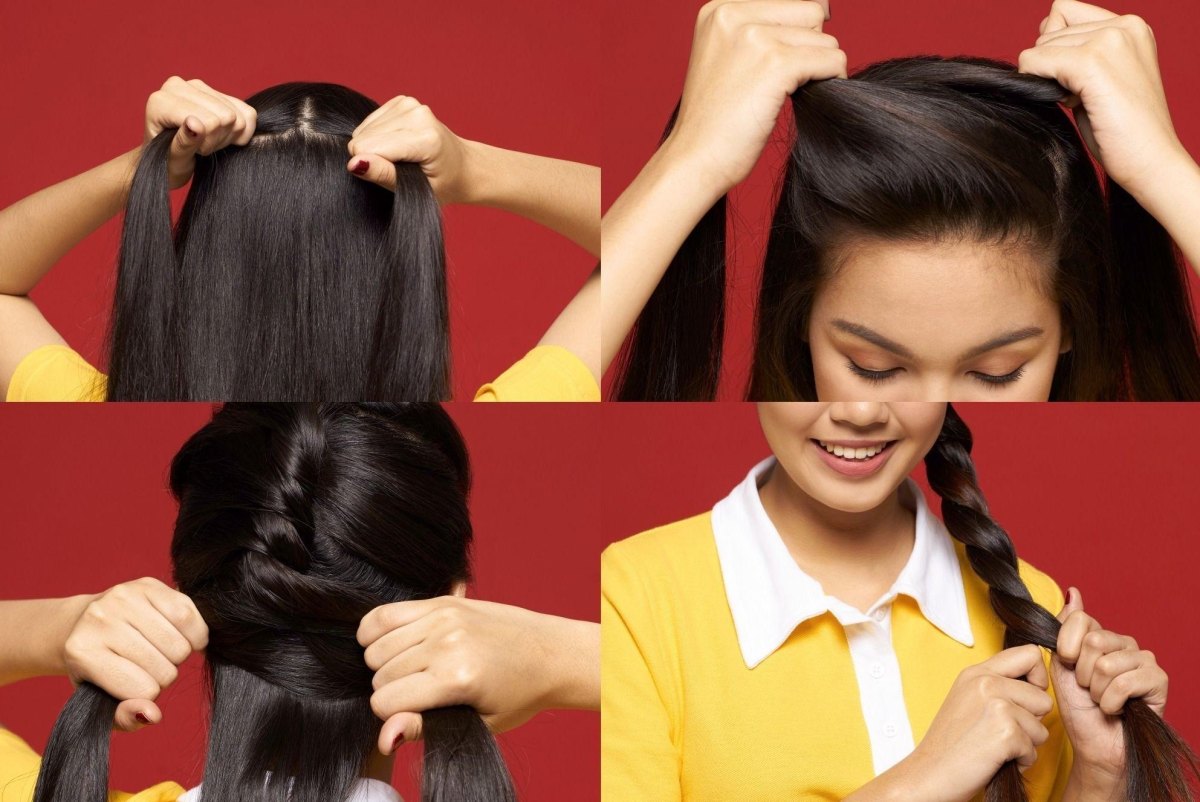
The rope braid is a lovely option if traditional plaiting feels fiddly. Instead of three sections, you twist two pieces together to create a simple spiral effect.
- Split. Divide the hair into two equal sections.
- Twist. Turn both sections in the same direction.
- Wrap. Twist the sections around each other in the opposite direction.
It is quick, neat and particularly useful when you want a polished style without spending ages in front of the mirror.
Two Braids Hairstyle for Beginners
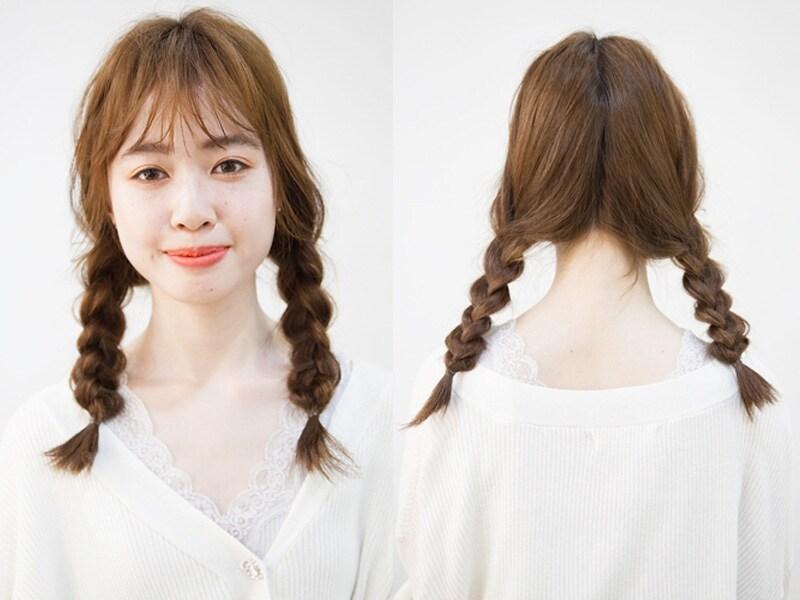
Two braids are a brilliant confidence builder because you can practise your technique on both sides and see where your tension changes. They are also practical for active days.
| Hair type | Helpful adjustment |
|---|---|
| Fine hair | Add texture before braiding for hold |
| Thick hair | Work in smaller sections for control |
| Curly or coily hair | Respect your natural pattern and avoid over-tightening |
Once you are comfortable with these, you will find more creative plaits much less intimidating. Start slowly and enjoy learning the movement.